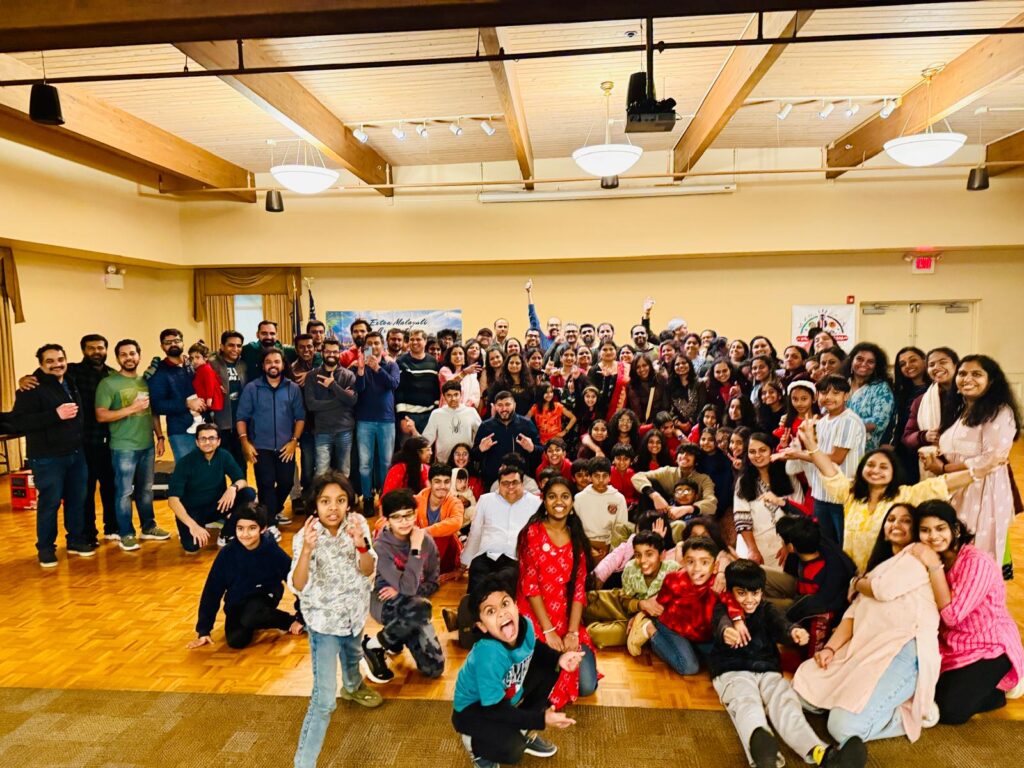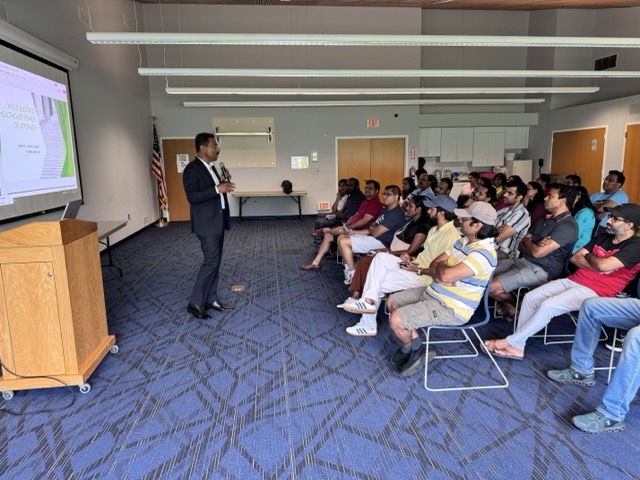
On June 28, the Exton Malayali Association (EMA) hosted a vital awareness session on the topic of Creating Living Wills and Estate Planning, led by Attorney Joseph Kunnel from Kunnel Law. This well-attended event reflected EMA’s commitment to equipping our community with knowledge that empowers families to make sound decisions, blending Indian heritage with American life in practical and caring ways.
Key Takeaways from the Session
1. Types of Wills and Their Importance
- Simple Will:
A straightforward legal document stating how one’s assets should be distributed after death. It becomes valid only upon the person’s passing.- Requires at least two witnesses and an executor.
- Needs to be notarized and filed at the register of wills.
- Upon filing, a “letter of administration” is issued to manage the estate.
- Living Will:
Unlike a simple will, a living will is relevant during a person’s lifetime. It communicates your wishes regarding medical treatments—such as ventilators, surgeries, radiation—should you become unable to make decisions yourself.- Becomes effective only when two doctors certify that return to normal life isn’t possible.
- Doctors should have a copy of your living will on file.
- Durable Healthcare Power of Attorney:
Assigns a trusted individual to make medical decisions on your behalf, including authorization for medical record access.- Requires two witnesses.
- Can also specify exceptions or grant wider authority to the agent.
- Only available for those above 18 years old.
- Joint Will:
Caution was advised here; once one person passes away, the surviving person cannot make changes, often leading to complex legal hurdles. Best to avoid. - Testamentary Trust Will:
Recommended for individuals with significant assets.
2. For Whom?
All this guidance applies whether you are a U.S. citizen or an immigrant. To prevent complications, it is suggested to have separate wills in the U.S. and India.
3. What If There’s No Will?
State law determines asset distribution:
- $30,000 plus 50% of the remainder to the surviving spouse, the rest to children. If there are no children, all goes to the spouse.
- Example: On a $100,000 estate: $30,000 + $35,000 to spouse, $35,000 split among children.
4. Taxes
- Federal Estate Tax only on estates over $13.99 million.
- Pennsylvania Inheritance Tax:
- No tax for assets left to a spouse
- 4.5% for children
- 12% for siblings
Taxes must be paid within a year.
5. What to Include (and Exclude) in a Will
- Always include: All tangible and financial assets—itemized lists help executors locate everything.
- Do not include: Life insurance proceeds.
- Custody of children: A will can state your wishes, but legal custody is ultimately determined by family court, considering but not bound by your expressed intentions.
6. How to Claim a Will
Visit the register of wills office to obtain the letter of administration or a “short certificate” (official copy for handling assets).
7. Safe Storage and Communication
Ensure your will is stored in a safe, known location, and that trusted friends or family have copies. If uncertain, attorneys may keep a copy.
8. Recommended Auto Insurance Coverage
Attorney Kunnel emphasized the following coverage levels as prudent:
- $250,000/$500,000 Liability
- $100,000 Property Damage
- $25,000 Medical Benefits
- $250,000/$500,000 UM & UIM (stacked)
- Collision and Comprehensive, Full Tort
Special Offer for EMA Members
Attorney Joseph Kunnel kindly offers a discount to EMA members who mention that they were referred from EMA. This is a great opportunity to receive expert legal advice on wills and estate planning while supporting our community connections.
Questions?
For further information or personalized guidance, EMA members are encouraged to contact:
Attorney Joseph Kunnel
Kunnel Law
Phone: 215-644-8508 (Office), 215-681-8679 (Cell), 215-644-8754 (Fax)
Website: https://kunnellaw.com/
Email: [email protected]
Address: 325 E Street Rd, Feasterville-Trevose, PA 19053
Thank you to all who attended and made this event a resounding success. EMA remains dedicated to bringing meaningful, community-focused initiatives that help our members protect their families and futures—while celebrating our shared heritage here in Chester County.